
The Glosters, Korea & an Enduring Relationship
The story of the Gloucestershire Regiment and Korea began on the battlefields of the Korean War, but it did not end there.
Today, the Soldiers of Gloucestershire Museum helps preserve the story of the Battle of Imjin River, one of the most significant actions in the history of the Gloucestershire Regiment. The courage and sacrifice of the 1st Battalion, Gloucestershire Regiment – the Glosters – during the battle of April 1951 has created an enduring bond between Gloucestershire and the people of South Korea.
From the battlefield at Imjin River and Hill 235, now known as Gloster Hill, to the continuing friendship between Gloucestershire, the city of Paju and organisations in South Korea, the connection remains strong more than 70 years later.
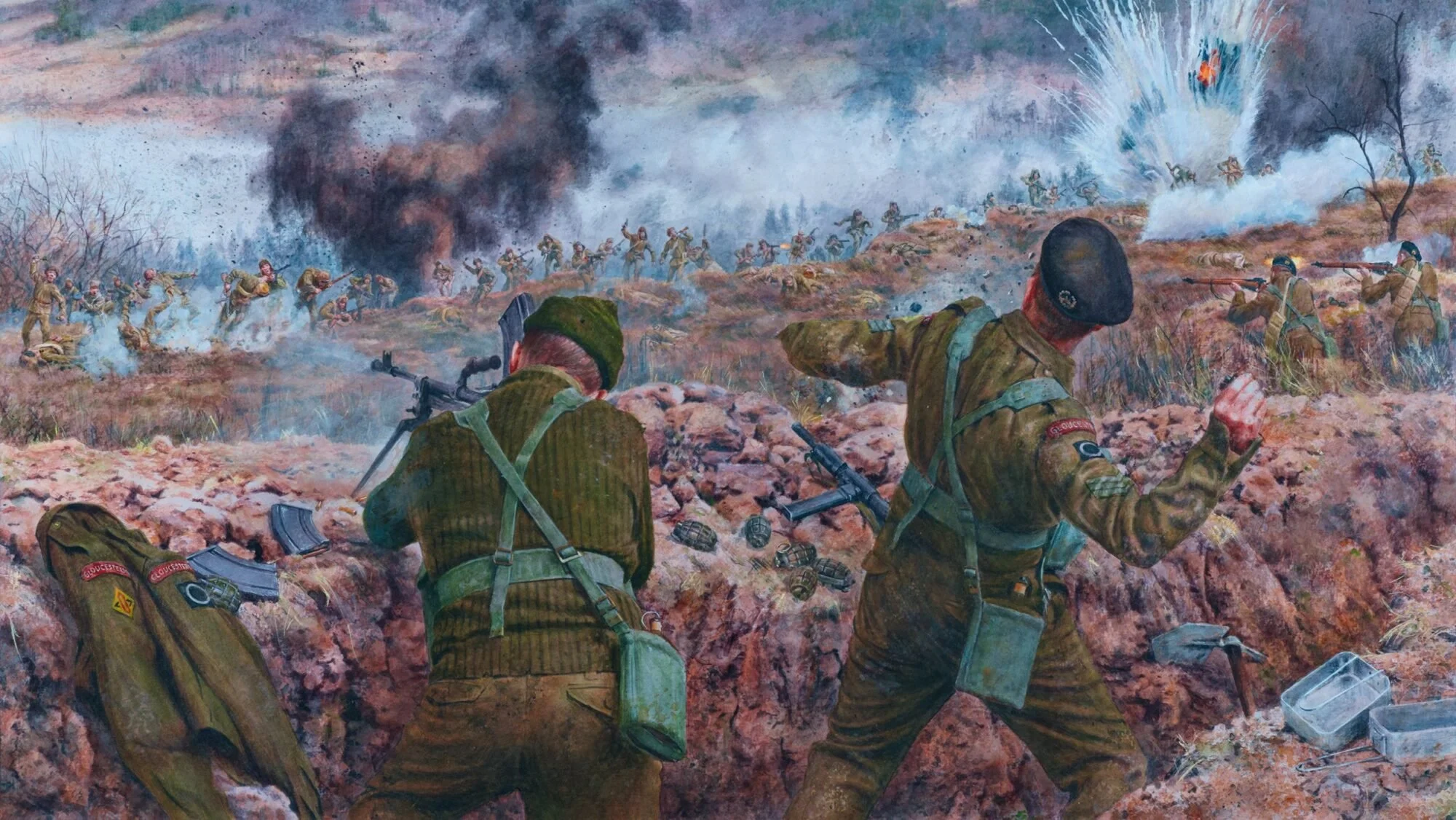
The Battle of Imjin River
The Battle of Imjin River took place between 22 and 25 April 1951, during the Korean War.
The 1st Battalion, Gloucestershire Regiment was serving as part of the United Nations forces defending South Korea. The Glosters formed part of the 29th Independent Infantry Brigade, positioned near the Imjin River to protect the approaches to Seoul.
On the night of 22 April, a huge Chinese offensive began. Chinese forces crossed the Imjin River in overwhelming numbers, attacking United Nations positions along the front.
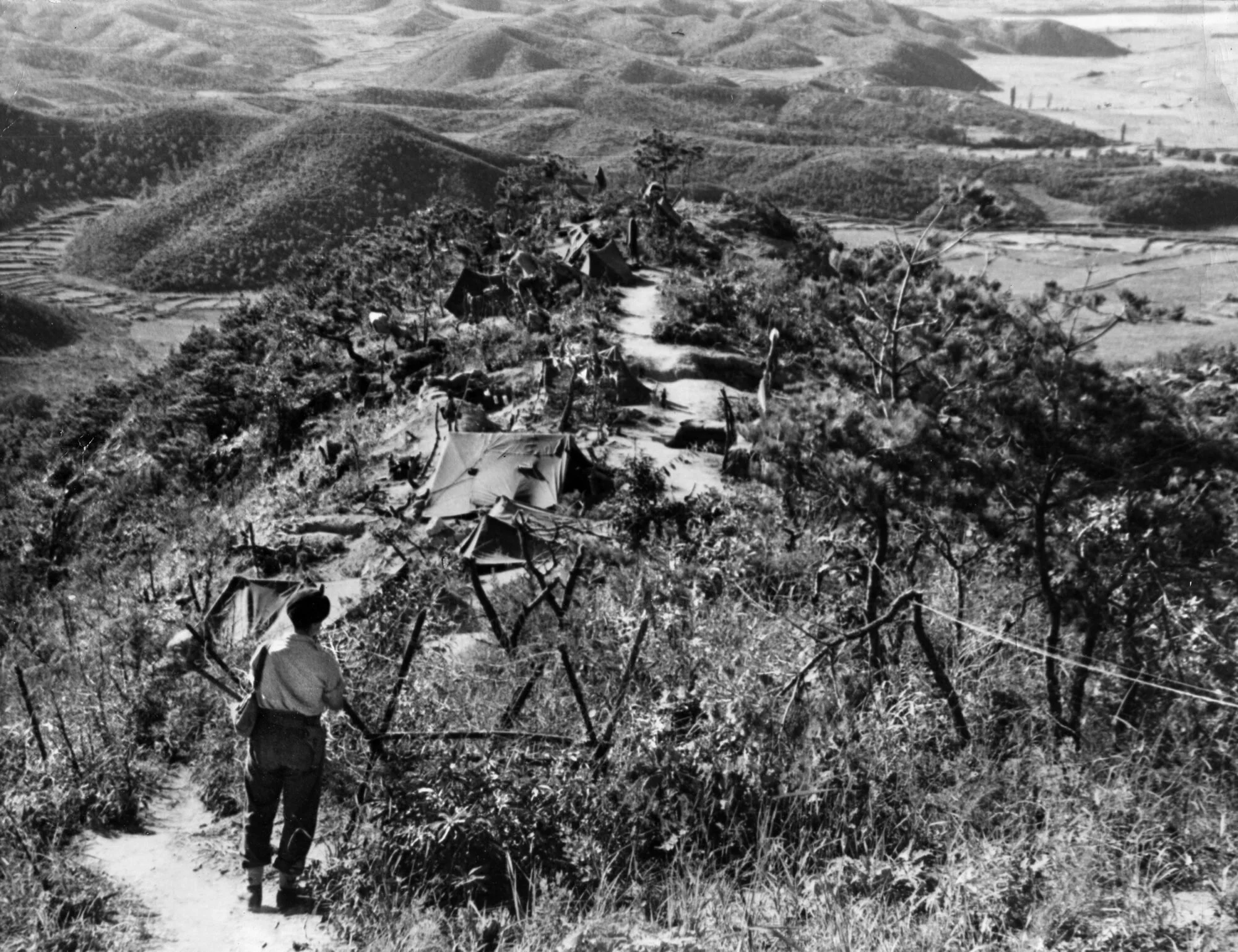
The Glosters were ordered to hold their position and became increasingly isolated as the fighting intensified. After fierce fighting around Castle Hill, the battalion withdrew to Hill 235, a strategic position overlooking the valley. The hill would later become known as Gloster Hill.
For several days, the Glosters held their ground against repeated attacks, despite being surrounded, running short of ammunition, food and water, and suffering heavy casualties. Attempts to reach and relieve the battalion were unsuccessful.
On 25 April, after three days of intense fighting, the surviving Glosters were ordered to attempt to break out. Many were killed, wounded or captured. Of the 1st Battalion, 522 men were taken prisoner, including their commanding officer, Lieutenant-Colonel James Power Carne, who was later awarded the Victoria Cross for his leadership and courage.
The stand at the Imjin River helped slow the Chinese advance and gave United Nations forces valuable time to regroup. The battle is widely remembered as a crucial action in the defence of Seoul.
The Gloucestershire Regiment's extraordinary gallantry was recognised with the award of Presidential Unit Citations from both the United States and South Korea.
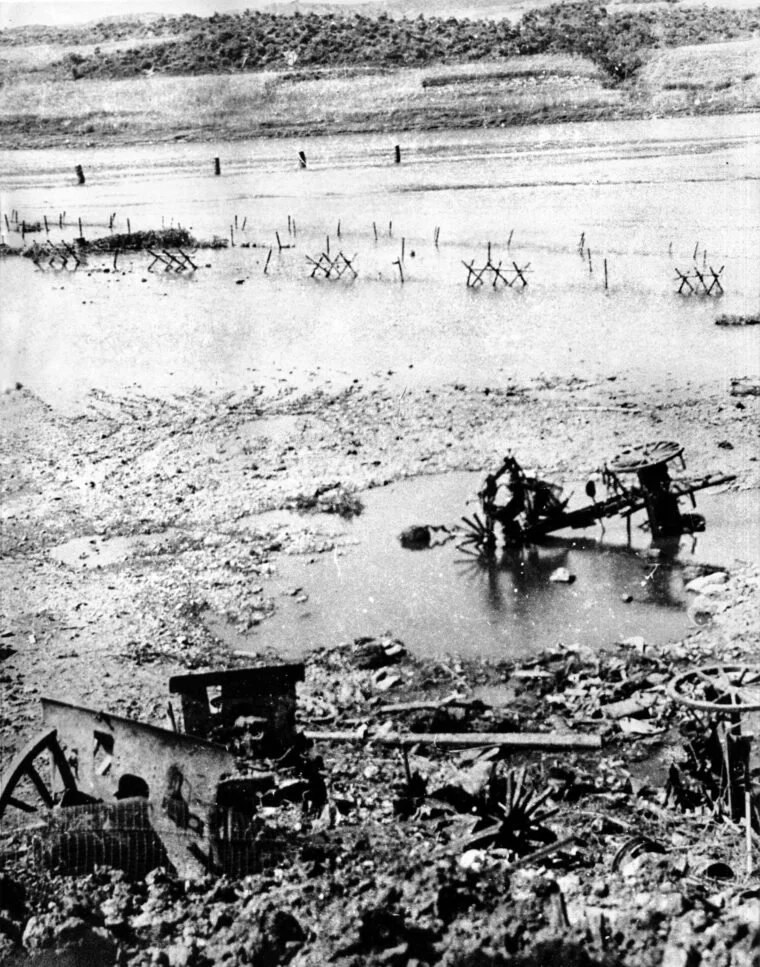
Gloster Hill
The Gloucestershire Regiment's position on Hill 235 has become one of the defining stories of the Korean War.
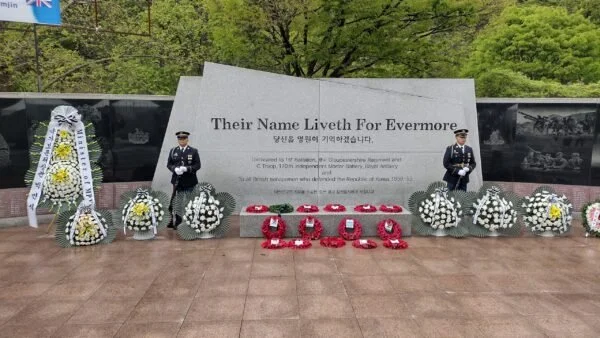
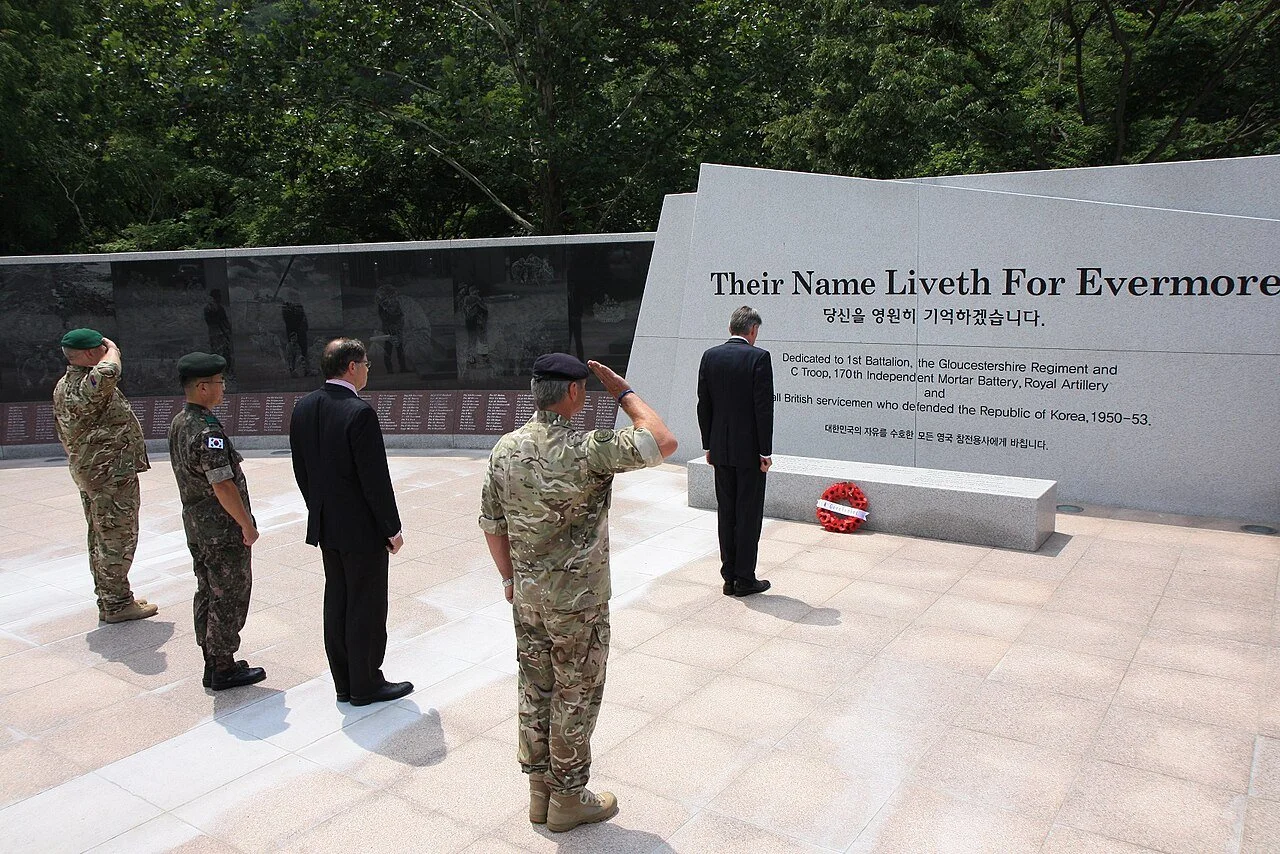
Today, the hill is known as Gloster Hill. At the foot of the hill, near Paju in South Korea, stands the Gloucester Hill Memorial, commemorating the Gloucestershire Regiment and the Royal Artillery personnel who fought alongside them.
The site has become an important place of remembrance for veterans, their families, the people of South Korea and visitors from Gloucestershire.
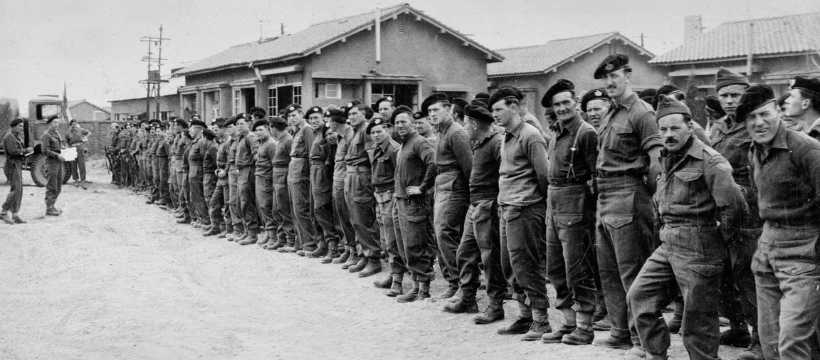
The story of Gloster Hill is also preserved at the Soldiers of Gloucestershire Museum in Gloucester, where objects, photographs and personal stories help tell the history of the men who fought at Imjin. The museum's collection includes original material relating to the Korean War, including photographs, documents, newspaper cuttings and artwork depicting the Glosters' stand.
Remembering the Glosters
For many years, the Korean War was sometimes described as the “Forgotten War”. In Gloucestershire, however, the story of the Glosters at Imjin has continued to be remembered.
The connection between the county and Korea is particularly strong because so many of the men who served with the Gloucestershire Regiment had links to Gloucestershire and the surrounding area.
Commemorations have brought together veterans, their families, representatives from South Korea, the military, local government and the wider Gloucestershire community.
The relationship is also remembered in South Korea, where the sacrifice of the Glosters continues to be recognised. At Gloster Hill, memorials and commemorative events ensure that the story of the battle and the men who fought there remains part of the living history of the region.
Gloucestershire and Korea today
The relationship forged during the Korean War has developed into a lasting friendship between Gloucestershire and South Korea.
One of the strongest links is with the city of Paju, close to the site of the Battle of Imjin River and Gloster Hill. Gloucestershire and Paju have maintained close connections through commemorations, cultural exchanges and shared remembrance.
That friendship has extended far beyond military history.
During the Covid-19 pandemic, Paju donated 1,000 sets of personal protective equipment to Gloucestershire, a gesture that demonstrated how a relationship born from the events of 1951 has developed into a modern partnership based on friendship and mutual support.
The Soldiers of Gloucestershire Museum is an important part of this continuing relationship.
The Soldiers of Gloucestershire Museum and South Korea
The museum works with organisations in South Korea to preserve and share the history of the Korean War and the Gloucestershire Regiment.
In 2022, the museum strengthened its relationship with the United Nations Peace Memorial Hall in Busan, South Korea. The two organisations reaffirmed their Memorandum of Understanding and began developing opportunities for collaboration, including sharing exhibitions and creating joint educational projects.
One such project involved a series of portraits by artist Jack Russell depicting the surviving veterans of the Battle of Imjin River. The portraits were displayed at the Soldiers of Gloucestershire Museum before being shared with the United Nations Peace Memorial Hall in South Korea.
The museum and its Korean partners are also developing opportunities for British and Korean students to learn together, using the history of the Korean War as a starting point for understanding conflict, remembrance, sacrifice and the relationships that can emerge from shared history.
These projects reflect an important part of the museum's role today: not simply preserving the past, but using history to build understanding between communities and generations.
A story that continues
The Battle of Imjin River happened more than seven decades ago, but its legacy continues to connect Gloucestershire and Korea.
For the people of Gloucestershire, the story is one of local men who served far from home and whose courage became part of the history of the Korean War. For South Korea, the Glosters are remembered as part of the United Nations forces that fought to defend the country at a pivotal moment in its history.
Today, the relationship is expressed through remembrance, education, cultural exchange and friendship.
At the Soldiers of Gloucestershire Museum, we continue to preserve the stories of the men who served in Korea and to work with our partners in South Korea to ensure that the Battle of Imjin River, the Glosters and Gloster Hill are not forgotten.
Their story is not simply one of war. It is a story of courage, sacrifice, remembrance and an enduring friendship between Gloucestershire and Korea.