
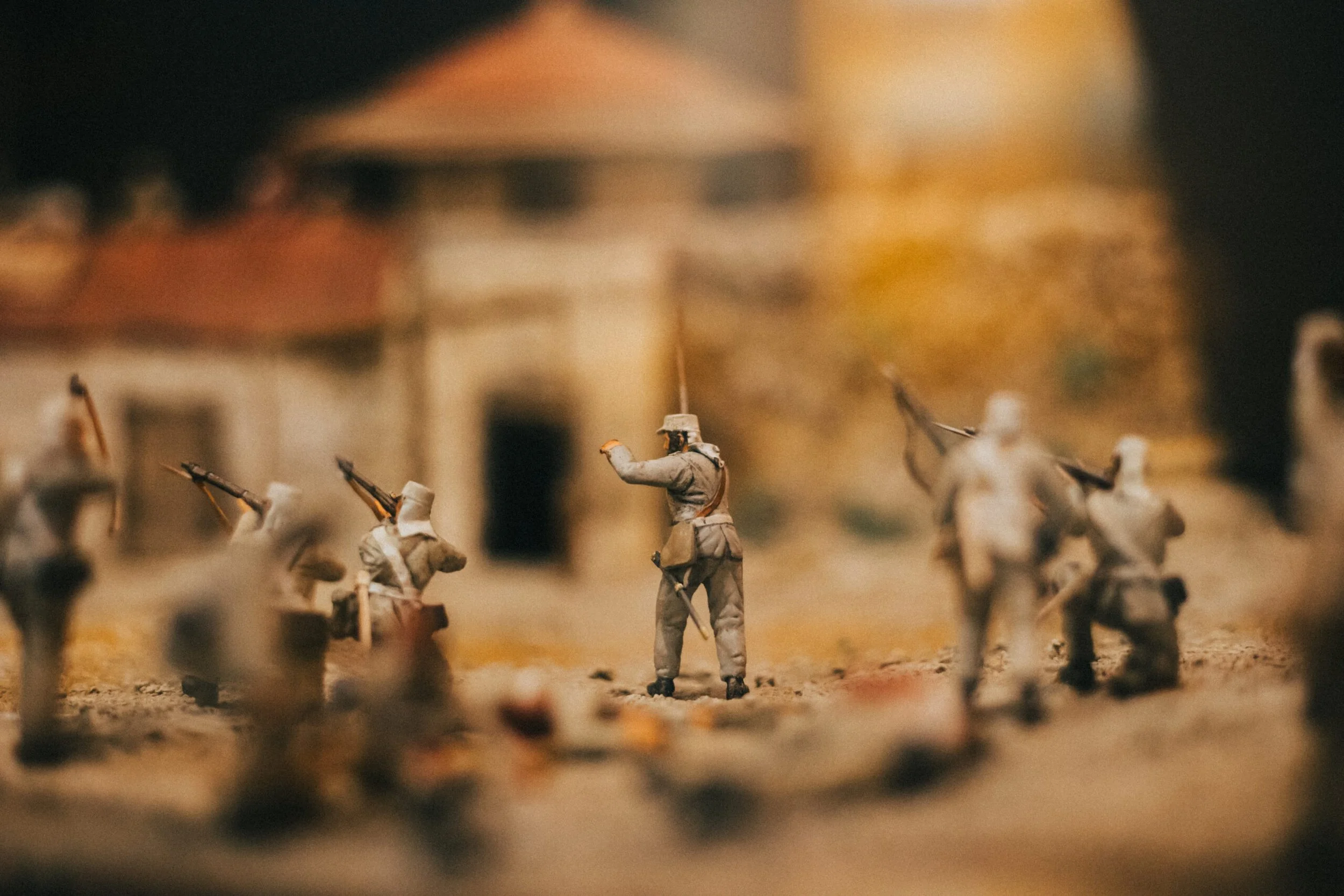
Research at the Soldiers of Gloucestershire Museum
Discover the story behind a Gloucestershire soldier who served during the First World War.
Our experienced volunteer researchers can help uncover information about individual soldiers who served with Gloucestershire regiments during WWI, using unique records held within the Soldiers of Gloucestershire Museum archive alongside other historical sources.
Research enquiries currently limited to WWI
Due to current capacity, we are presently only able to undertake research relating to the First World War period. Unfortunately, we are unable to accept enquiries outside this scope at this time.
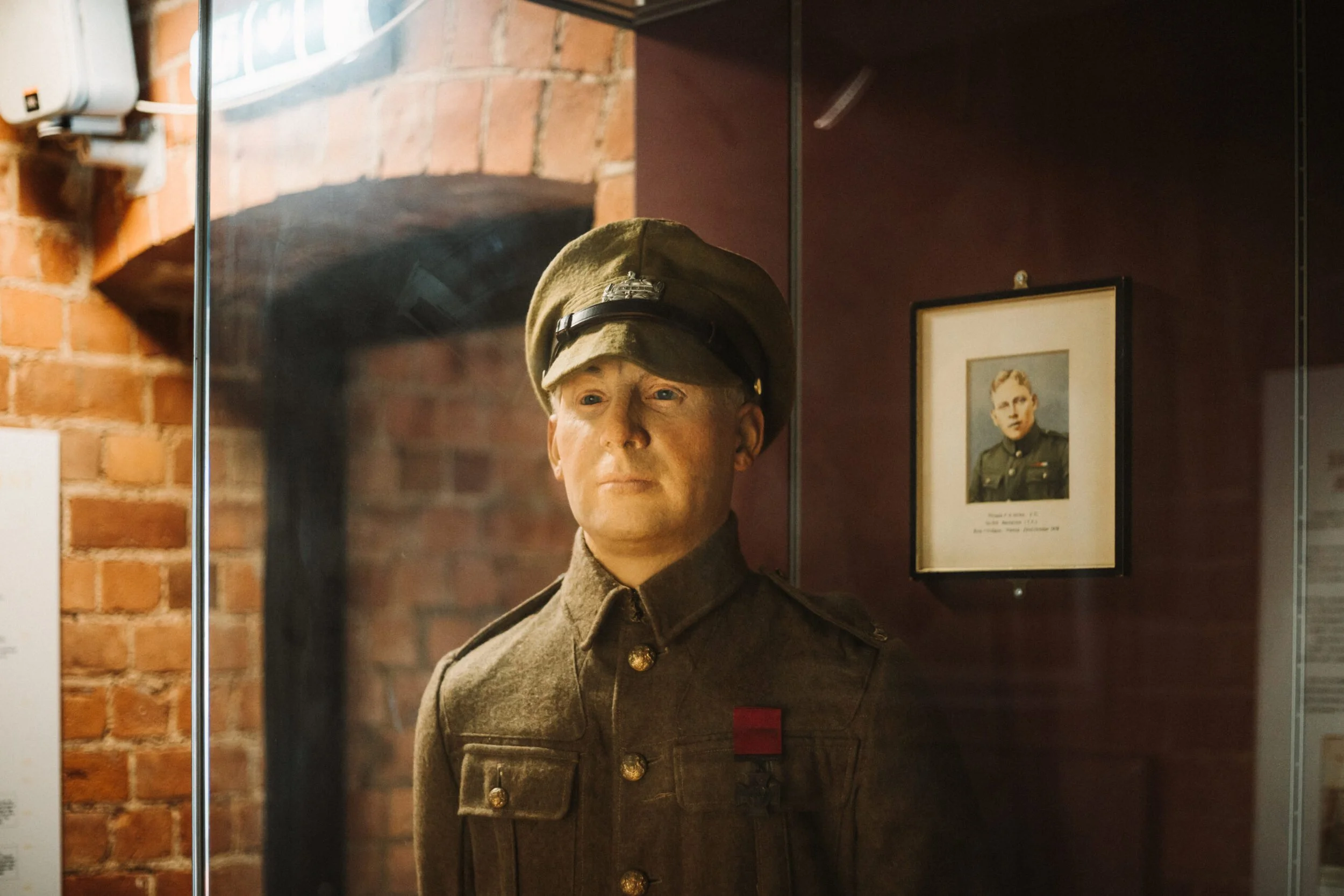
Uncover their story
For many families, researching a soldier is about more than finding a name and a date. Our researchers can help piece together the story of an individual's military service, drawing on records that may not be available through online genealogy services.
Our small team of experienced volunteer researchers combines information from our own archive with other historical sources to build as complete a picture as possible of an individual's service.
Several of our researchers have also published books on military history, particularly the First World War, giving them specialist knowledge to help analyse and interpret the records they uncover.
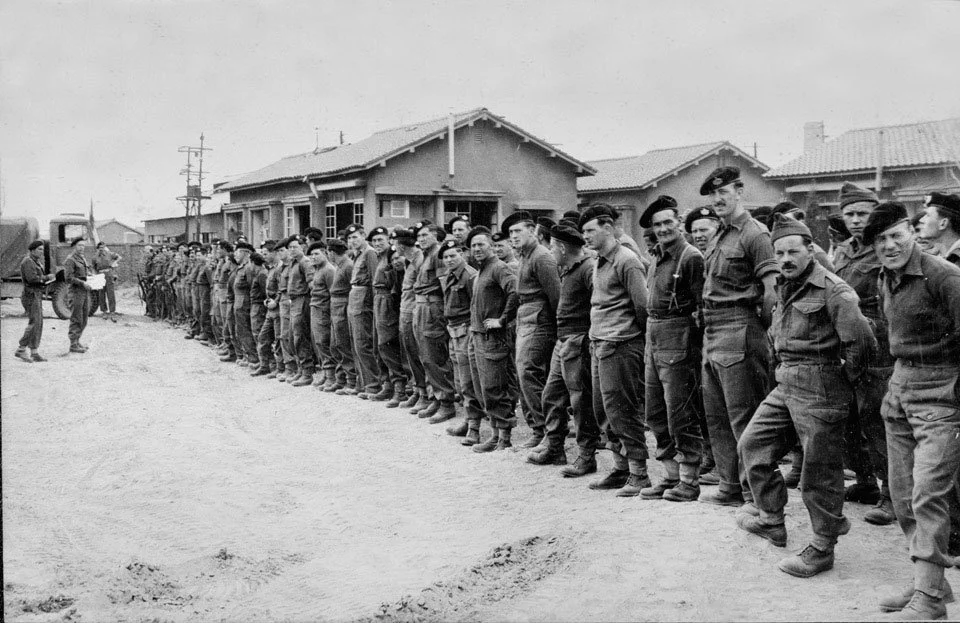
What can we research?
The museum holds a wealth of unique and historic material relating to the Gloucestershire regiments.
Our archive includes:
Officer records
Enlistment records
Photographs, predominantly from WWI
Historical newspapers
Regimental journals, including The Sphinx and the Dragon and The Back Badge
Officer embarkation rolls
WWI soldier records, including our database of more than 40,000 individual soldiers
These sources can sometimes help establish where a soldier served, the units they were attached to, battles and operations they may have been involved in, and other details about their military career.
How to request research
If you would like us to research a Gloucestershire soldier from the First World War, please email our research team, or use the form opposite.
Before you contact us
Where possible, please provide as much information as you have about the soldier, such as:
Full name
Regiment or battalion
Service number
Date or place of birth
Approximate dates of service
Any other information you already know
The more information you can provide, the easier it may be for our researchers to identify the correct individual.
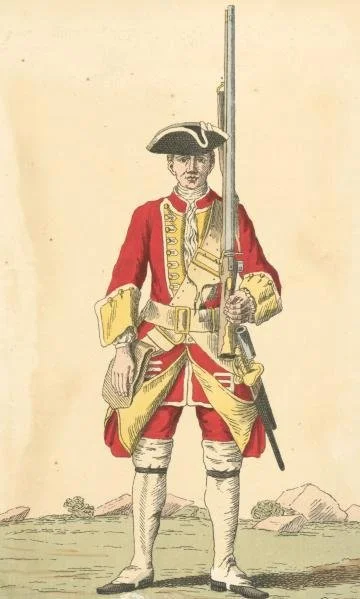
Executive Summary Report.
A concise starting point for your research
For most enquiries, we recommend starting with our Executive Summary Report.
This is a 1–2 page report which outlines the soldier's potential involvement in battles and operations of regimental and historical importance.
It provides an initial overview of what our researchers can discover and can help determine whether there is enough information available to warrant more detailed research.
£50 per soldier, per enquiry
Looking for more?
In some cases, our researchers can undertake more detailed archival research to produce a longer report.
Detailed research
From £100
We recommend beginning with the Executive Summary. Once our researchers have reviewed the available information, we can advise whether further research is likely to uncover additional material and whether a detailed report would be worthwhile.
Pricing for detailed research starts at £100 and will depend on the scope and complexity of the enquiry.
Why use the museum archive?
There are many excellent genealogy resources available online, including Ancestry, Findmypast and History Recon.
However, the Soldiers of Gloucestershire Museum has access to unique regimental records and archival material that may not be available through these services.
Our researchers can combine these museum-held records with information from other sources, helping to create a more detailed picture of an individual's military service.
Your research helps support the museum
The Soldiers of Gloucestershire Museum is a charitable organisation. Income from research enquiries helps contribute towards the museum's operational upkeep and running costs, supporting the preservation and interpretation of the collections for future generations.