
Our Modern Regiments
The story of Gloucestershire’s soldiers continues today through the modern regiments of the British Army.
While the names and structures of regiments have changed over time, their traditions, identities and connections with Gloucestershire remain. The county’s military heritage lives on through The Rifles and C (Royal Gloucestershire Hussars) Squadron, Royal Wessex Yeomanry, alongside the enduring legacy of the Royal Gloucestershire, Berkshire and Wiltshire Regiment.
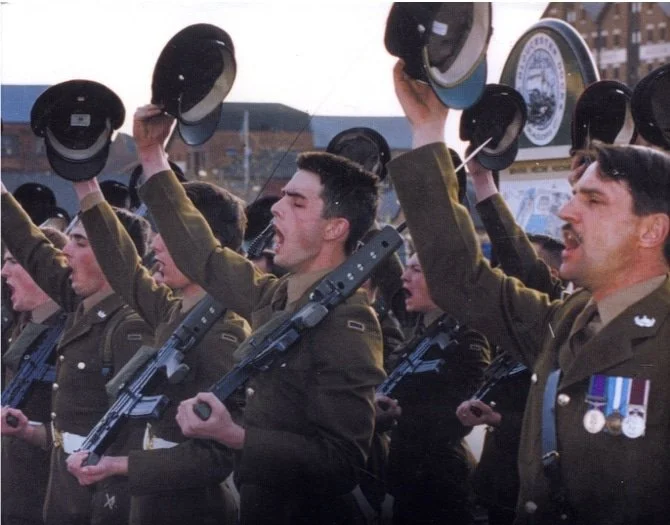
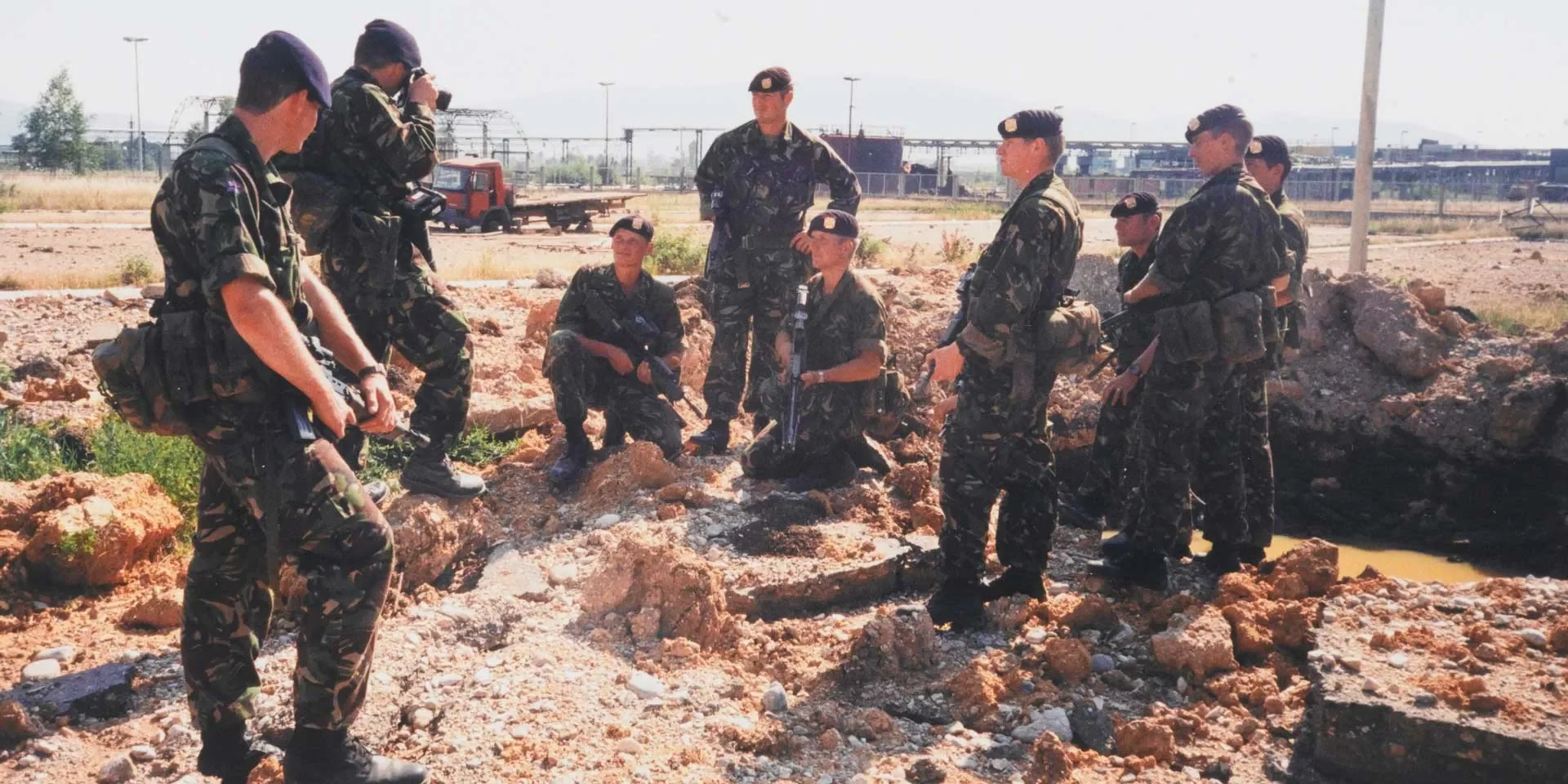
Royal Gloucestershire, Berkshire and Wiltshire Regiment
The Royal Gloucestershire, Berkshire and Wiltshire Regiment (RGBW) was formed in 1994 through the amalgamation of The Gloucestershire Regiment and The Duke of Edinburgh’s Royal Regiment.
Although the RGBW is no longer a regiment in its own right, its history forms an important part of the story of Gloucestershire’s military heritage. In 2007, the RGBW’s successor regiment, the Royal Gloucestershire, Berkshire and Wiltshire Light Infantry, became part of The Rifles, carrying forward the traditions and battle honours of its antecedent regiments.
The legacy of the RGBW therefore continues within the Army today, linking the county’s long regimental history with the soldiers who serve in the modern Army.
The Rifles
Formed in 2007, The Rifles is the British Army’s largest infantry regiment. It was created through the amalgamation of four historic regiments, including the Royal Gloucestershire, Berkshire and Wiltshire Light Infantry.
Today, Riflemen serve across a range of roles and locations, undertaking operations, training and exercises around the world. The regiment includes both Regular Army and Reserve battalions and continues the distinctive traditions of its antecedent regiments.
The Gloucestershire connection remains particularly strong. The traditions, customs and heritage of the former Gloucestershire regiments live on within The Rifles, providing a direct link between the soldiers represented in the museum’s collections and those serving today.
The Rifles has continued the Gloucestershire regiments’ long tradition of service, adaptability and innovation, while developing the skills required by a modern fighting force. Its soldiers have served on operations and training missions across the world, including Iraq, Afghanistan, Estonia and South Korea.
C (Royal Gloucestershire Hussars) Squadron, Royal Wessex Yeomanry
The story of the Royal Gloucestershire Hussars continues today through C (Royal Gloucestershire Hussars) Squadron, Royal Wessex Yeomanry.
The Royal Wessex Yeomanry is an Army Reserve regiment within the Royal Armoured Corps. Its soldiers train to operate Challenger 2 Main Battle Tanks, providing trained crews to support the Army’s Regular armoured regiments on operations and exercises.
Based in Cirencester, C Squadron maintains the traditions of the Royal Gloucestershire Hussars while playing an active role in the modern Army Reserve. The Squadron retains the battle honours and customs of its antecedent regiment, including the Battles of Qatia (1916) and Bir el Gubi (1941).
Today’s reservists come from a wide range of professions and backgrounds. Alongside their civilian careers, they train and serve as part of the Royal Wessex Yeomanry, contributing to the Army at home and overseas.
From the cavalrymen of the Royal Gloucestershire Hussars to today's armoured crews, the role may have changed, but the tradition of service continues.
A living history
The history of Gloucestershire’s regiments is not confined to the past. It continues through the people who serve today.
From infantrymen of The Rifles to the Army Reserve soldiers of C Squadron, the county remains connected to a proud military tradition that stretches back centuries. Their service forms the next chapter in a story preserved through the collections, memories and personal experiences held by Soldiers of Gloucestershire Museum.
Explore the museum’s collections to discover more about the soldiers and regiments who shaped this history — and the legacy that continues today.