
The Glorious Glosters: Bravery Beyond Measure at the Battle of Imjin River
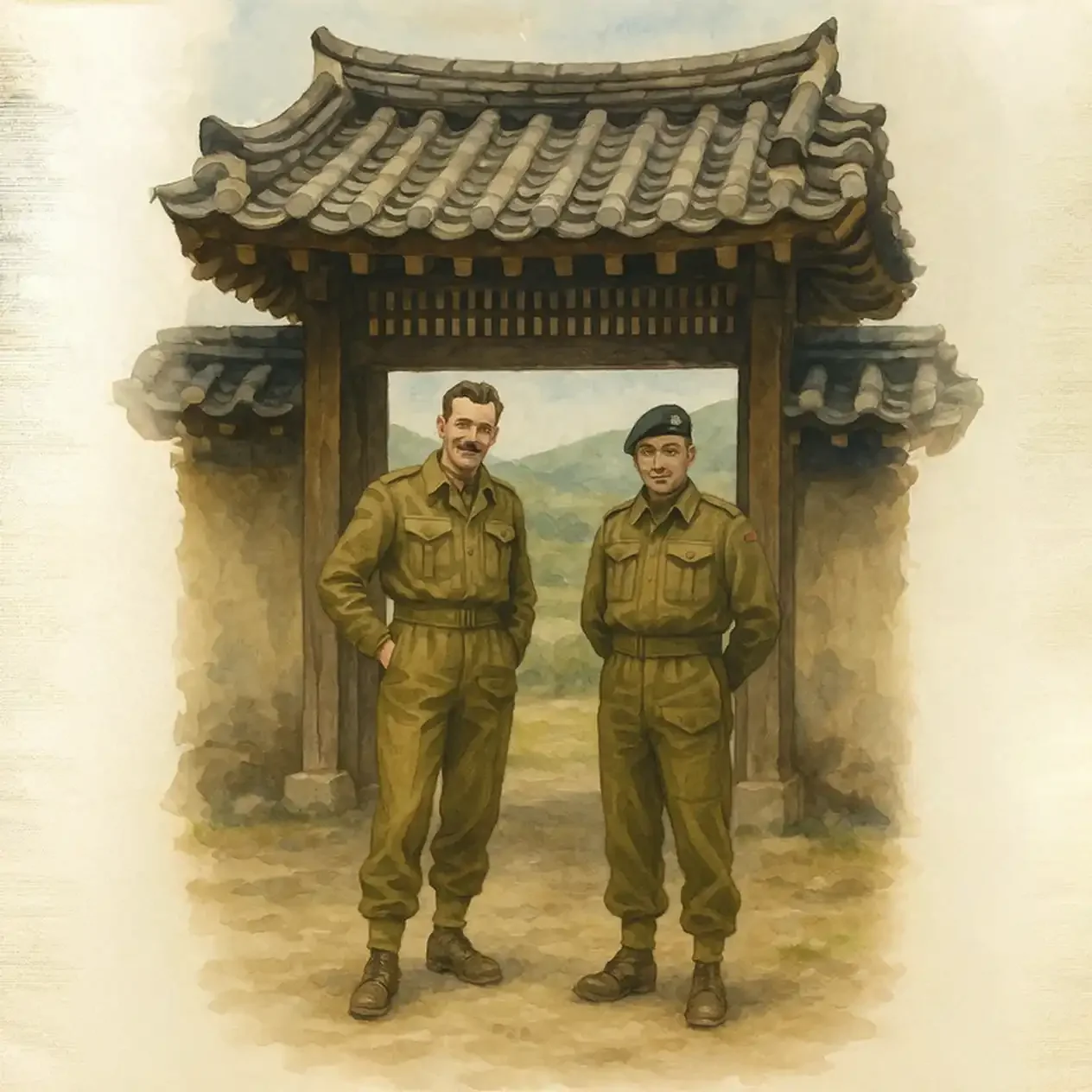
A Heroic Stand That Changed the Course of the Korean War
In the spring of 1951, amid the chaos of the Korean War, a remarkable act of courage unfolded on the banks of the Imjin River. The 1st Battalion of the Gloucestershire Regiment – forever immortalised as the Glorious Glosters – made a stand that would echo through military history.
Facing a vastly superior Chinese force, the battalion held its ground for three harrowing nights in what would become known as the Battle of the Imjin River. Outnumbered and surrounded, they fought with extraordinary bravery, earning international acclaim and a permanent place in Britain’s military heritage.
The Battle Begins: April 22–25, 1951
The Glosters were part of the British 29th Brigade Group, positioned on the left flank of the United Nations line, covering the key approach to Seoul. In the days leading up to April 22nd, Chinese forces had massed on the northern bank of the Imjin. When they finally attacked, three entire divisions of the Chinese 63rd Army surged across the river.
Against this wave of more than 27,000 enemy troops, the Glosters, numbering just over 700 men, dug in across a five-mile front. Over the next three days, they would withstand relentless assaults, intense artillery barrages, and close-quarters combat. By the time the order came to break out, the battalion was effectively cut off – and nearly surrounded.
“The Most Outstanding Example of Unit Bravery in Modern War”
General James Van Fleet, commander of United Nations forces in Korea, later described the Glosters’ stand as “the most outstanding example of unit bravery in modern war.” Their resistance prevented the total encirclement of the 29th Brigade Group and gave the UN forces time to fall back and regroup.
Though the Glosters ultimately had to withdraw, their sacrifice would buy valuable time for the rest of I Corps forces to withdraw in good order. Their sacrifice helped stabilise the front line north of Seoul, known as the No-Name Line, and prevented a devastating collapse in the UN position.
The Cost of Courage
The victory at Imjin came at a terrible price. Of the 620 Glosters who went into battle, only a few escaped. Many were killed or wounded, and over 500 were taken prisoner. The 29th Brigade Group suffered 1,091 casualties, including the attached Belgian Battalion.
But the Chinese 63rd Army paid heavily too – losing more than a third of its combat strength. The Pyrrhic nature of the Chinese success soon became apparent, and their units were withdrawn from the front line. The Glosters had not only held their ground – they had blunted the enemy’s offensive capability.
Decorations, Recognition, and Legacy
For their actions during the battle, the 1st Battalion of the Gloucestershire Regiment was awarded the U.S. Presidential Unit Citation – a unique honour for a British Infantry Battalion. It was a symbol of international respect and recognition for their bravery.
Two men from the regiment received the Victoria Cross, the British Empire’s highest military decoration for valour:
-
Lieutenant Philip Curtis VC: Posthumously awarded for leading a counterattack on a Chinese-held position, buying precious time for his comrades.
-
Lieutenant Colonel James Carne was the senior officer captured and later awarded the VC. To quote an extract of his citation ' ... his powers of leadership .. can seldom have been surpassed in the history of our Army. He inspired his officers and men to fight beyond the normal limits of human endurance, in spite of overwhelming odds and ever increasing casualties, shortage of ammunition and of water'..
These honours cemented the Glosters’ legacy as a regiment defined by valour, loyalty, and self-sacrifice.
Captivity and the Trials of the POWs
Following the breakout attempt, many Glosters were captured and endured years of hardship in Chinese and North Korean prison camps. Starvation, forced marches, and indoctrination efforts were part of daily life.
Yet, even in captivity, the Glosters remained defiant. Accounts preserved by the Soldiers of Gloucestershire Museum highlight the strength, leadership, and mutual support that sustained them until their eventual release.
A Museum Dedicated to Their Memory
Today, the story of the Battle of Imjin River is preserved and honoured at the Soldiers of Gloucestershire Museum, located in Gloucester’s historic docks. The museum houses a compelling collection of artefacts, personal accounts, and military records that bring the Glosters’ Korean War experience to life.
From battlefield relics to POW letters, visitors can explore the human side of heroism – and understand why the name Glorious Glosters continues to resonate with pride.
The Battle’s Enduring Relevance
The stand at Imjin River is more than a military episode; it’s a story of honour, courage, and commitment to comrades. In a world where the nature of warfare has changed, the Glosters’ stand remains a powerful example of what it means to fight for a cause greater than oneself.
The regiment’s legacy continues through successor units in the British Army and through annual commemorations that ensure new generations remember their sacrifice.
Plan Your Visit
To learn more about the Glorious Glosters and their heroic stand at the Battle of Imjin River, plan a visit to the Soldiers of Gloucestershire Museum. Open year-round, the museum offers exhibitions for all ages, making it a must-visit for military history enthusiasts, students, and families.
👉 Visit soldiersofglos.com to explore the full story online or book your museum visit.