
Remembrance in Gloucestershire: How the County’s Regiments Shaped Britain’s Military History
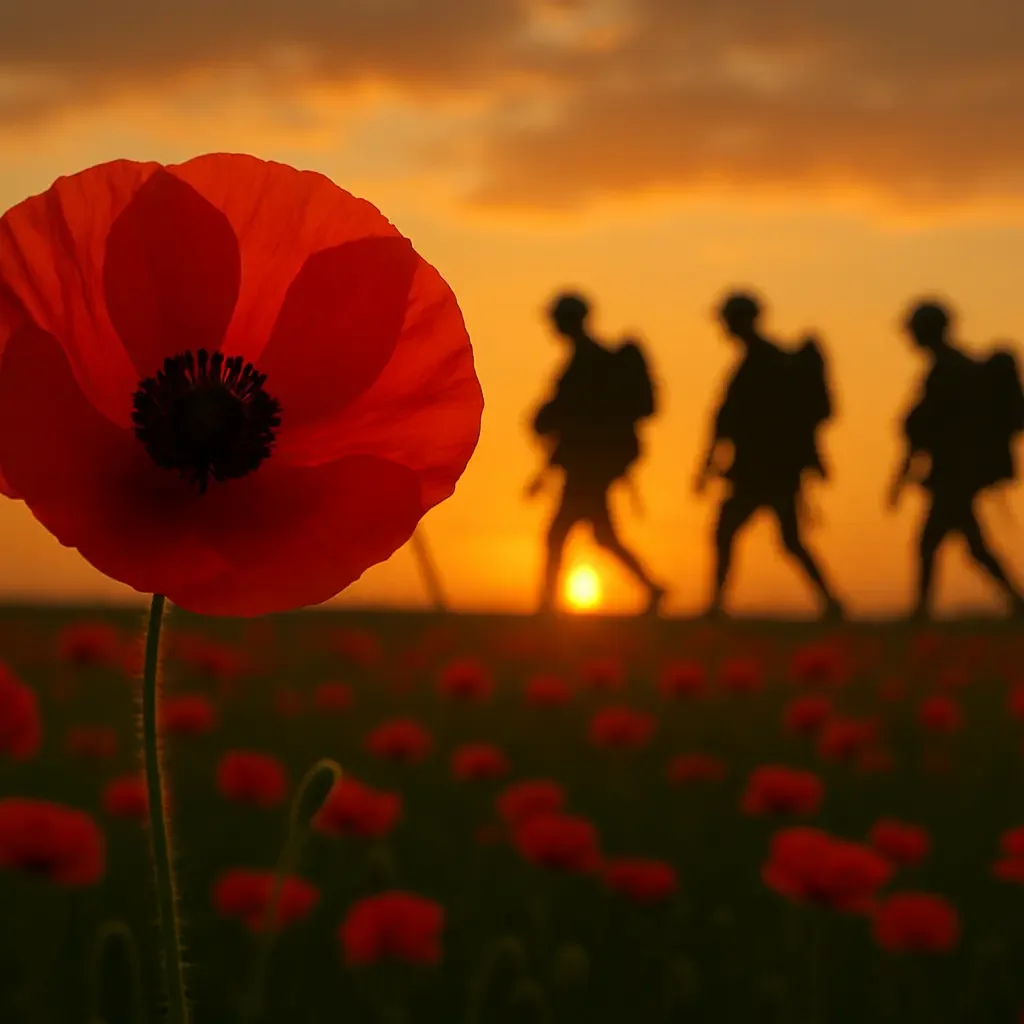
 Each November, the streets and churches of Gloucestershire fall silent in tribute to those who gave their lives in service of their country. From the Great War to the Korean conflict, and from North Africa to Northern Ireland, the county’s soldiers have played a vital role in shaping Britain’s military story. For Gloucestershire, remembrance is not just a date on the calendar—it’s a living heritage preserved in the courage, camaraderie, and sacrifice of its regiments.
The Legacy of the Gloucestershire Regiment
The story of Gloucestershire’s soldiers begins in the 17th century, but it was during the Napoleonic Wars that the county’s regimental identity truly took form. The 28th (North Gloucestershire) Regiment of Foot earned its place in history at the Battle of Alexandria in 1801, where the men fought back-to-back to repel attacks from both front and rear. For their bravery, they were awarded the unique distinction of wearing a badge on both the front and back of their caps—a symbol of unyielding courage still recognised today.
In 1881, the Gloucestershire Regiment was formed by the amalgamation of the 28th and 61st Regiments of Foot, uniting two proud lineages. Over the next century, the “Glorious Glosters,” as they became affectionately known, would serve across the world—from the trenches of the Western Front to the jungles of Burma—earning battle honours that spanned continents and generations.
During the First World War, the Regiment raised 16 battalions and suffered more than 8,000 casualties. The men of Gloucestershire fought at Ypres, the Somme, and Gallipoli, enduring the mud, gas, and unimaginable losses that defined the Great War. Yet their spirit never faltered, and their stories of endurance remain central to the county’s collective memory.
A Regiment Forged in Adversity: The Battle of Imjin River
If the First World War tested the endurance of the Gloucesters, the Korean War revealed their indomitable courage. In April 1951, the 1st Battalion, Gloucestershire Regiment faced overwhelming Chinese forces along the Imjin River. Outnumbered by nearly ten to one, the battalion held their ground for three days, allowing UN forces to regroup and avoid encirclement.
The stand at Gloster Hill became one of the most heroic episodes in modern British military history. Though many were killed or taken prisoner, the action earned the regiment the U.S. Presidential Citation, one of the highest foreign honours ever awarded to a British unit.
Today, a memorial at Solma-ri in South Korea, and another in Gloucester Park, serve as twin reminders of that sacrifice—a bridge between two nations and a lasting testament to Gloucestershire’s courage under fire.
The Royal Gloucestershire, Berkshire and Wiltshire Regiment
The story did not end there. In 1994, as part of the Army’s structural changes, the Gloucestershire Regiment merged with the Duke of Edinburgh’s Royal Regiment to form the Royal Gloucestershire, Berkshire and Wiltshire Regiment (RGBW). This new unit carried forward the traditions of its predecessors while adapting to modern military realities.
The RGBW served in Northern Ireland during The Troubles, in Bosnia during peacekeeping operations, and later in Iraq and Afghanistan as part of the Rifles—the regiment’s most recent evolution. Each campaign added new chapters to a story that stretches back over 300 years, demonstrating that the spirit of the Glosters continues to live on.
Remembrance Day in Gloucestershire
Each November, the people of Gloucestershire gather in towns, villages, and city squares to honour those who fell. The Remembrance Sunday parade at Gloucester Cathedral, accompanied by the haunting sound of the Last Post, brings together veterans, cadets, and civilians in a moving display of unity.
At the Soldiers of Gloucestershire Museum, located in Gloucester Docks, visitors can trace the regiment’s history through uniforms, medals, and personal stories. Among the most poignant exhibits is a display dedicated to the Imjin River battle, featuring letters, photographs, and artefacts recovered from the field—tangible reminders of the price of freedom.
Other remembrance events take place across the county, from Cheltenham’s Long Gardens war memorial to Tewkesbury Abbey’s candlelit vigil. Local schools, churches, and community groups also play an important role, ensuring that remembrance is not confined to one day but forms part of the county’s living education.
Stories That Bring History to Life
Beyond the parades and poppies, remembrance in Gloucestershire is about preserving personal stories. Every uniform on display, every medal in a case, represents an individual—a son, a husband, a friend—whose life was shaped by service.
The museum’s archives are filled with such stories. Letters from the trenches describe Christmas in Flanders, when Gloster soldiers shared tobacco and carols with German troops across No Man’s Land. Diaries from North Africa recount days of searing heat, mechanical failures, and sudden acts of gallantry. Oral histories recorded from veterans of the Korean War speak of hardship, comradeship, and survival against all odds.
These voices remind us that remembrance is not abstract—it’s deeply human. It connects past to present, transforming statistics into stories and ensuring that courage is never forgotten.
Education and Engagement: Passing the Torch
One of the Soldiers of Gloucestershire Museum’s core missions is education. Through hands-on history experiences and educational days out, the museum inspires new generations to explore the realities of war and peace. Children can try on period uniforms, handle replica equipment, and learn how Gloucestershire soldiers lived and fought.
These activities are not about glorifying war, but about understanding it—helping young people see the importance of service, sacrifice, and remembrance. As the museum continues to evolve, partnerships with local schools and universities ensure that the lessons of history remain relevant in a changing world.
Why Remembrance Still Matters
In an age of instant communication and constant distraction, remembrance offers a moment of stillness—a chance to reflect on values that transcend time. For Gloucestershire, remembering its soldiers means celebrating qualities that define the county itself: loyalty, bravery, and community.
The county’s military legacy is woven into its landscape—from memorials in market squares to regimental colours displayed with honour in churches. Each November, when the poppies bloom once more, Gloucestershire renews a promise: to remember not just the victories, but the humanity of those who fought.
Visit the Soldiers of Gloucestershire Museum
Whether you’re a history enthusiast, a family looking for an educational day out, or simply someone wishing to understand what remembrance truly means, the Soldiers of Gloucestershire Museum offers an experience unlike any other.
Located in the heart of Gloucester Docks, the museum tells the story of the Gloucestershire Regiment and its successors through immersive exhibits, digital archives, and personal testimonies. Visitors can explore displays on the Napoleonic Wars, World Wars I and II, the Korean War, and more recent peacekeeping missions—each chapter brought vividly to life.
This Remembrance season, the museum invites everyone to pause, reflect, and remember the men and women who have served Gloucestershire and Britain with honour.